But where did this phrase come from? Do we believe the movement of "shaking it off" can distribute blood flow and reduce swelling? Does shaking it off ease pain? Or is shaking it off yet another way we teach young people, especially boys, to suppress their emotional responses and just move on without showing that something truly hurts and a wound has been inflicted?
Just shake it off. As a little league coach these days, I have committed not to use this phrase with kids, whose bodies and brains and minds and emotions are changing as designed. Suppressing natural and healthy reactions to pain is not my MO on or off the field. Sometimes there are injuries to the body and spirit that cannot simply be shaken off.
And they shouldn't be.
God knows, for real, the many traumas endured these last eighteen months, whether the pandemic or the endless social ills, cannot merely be shaken off. The pain experienced is a signal that something is not right and aid and relief is needed. To say shake it off in the American cliched verbiage only buries hurt, leads to neglect, and delays healing. Shaking it off is not equivalent to resilience; it can be damaging denial.
So why does Jesus go there? Shake it off, Jesus? Surely the Messiah had more compassion, empathy, and concern for those wounded by others and the oppressive systems of the day. But before we lean in, let's pray.
We come to today's text and Jesus gives the disciples a packing list. How I wish this was all I needed to bring whenever loading up our four children into our minivan and traveling even for a single night at the grandparents.
Staff. Sandals. Clothes on your back.
No iPads, device chargers, stuffed animals, or pillows. Not a single suitcase. It is simple, quick, and warrants a dependency on the community care provided by those soon visited. It prevents being burdened by too much stuff and assumes welcome and having enough at destination. A parent can dream, right? But, is there more to Mark's incorporation of this Messianic and Apostolic packing list than merely the reduction of stuff so the hatchback will close and whoever is riding passenger can actually put their feet on the floor? If you are familiar with Mark, you know that there is always something more.
Mark 6 is right on the heals of two significant stories interwoven together: Jesus' healing of a woman plagued by hemorrhage for 12 years and a 12 year-old girl resurrected from the dead. But this all happened in a neighboring town. Mark 6 begins in Jesus' village and among Jesus' people of Nazareth. They have known him since he was a boy...and they liked him...until now. Jesus is in the local synagogue, where he grew up and studied under local rabbis, and on the sabbath. In this sacred space on a sacred day they take offense to his teachings. We know why, too. Jesus is breaking sabbath, his disciples are not fasting, he is touching the untouchables, and welcoming the unclean. Jesus is traveling back and forth across the sea (hold that reference), casting out demons and sending them into swine in Gentile land. Even more, Jesus has a following of fishermen, tax collectors, and sinners called disciples. Jesus has spent much of his young life shaking off convention to make room for those often excluded from sacred centers and, ultimately, pushed out of Nazareth as a "prophet without honor" as an echo of Ezekiel 2. So Jesus shakes off their anti-welcome and heads elsewhere to come alongside others shaken off and dishonored by religious and political communities alike.
But that is only the beginning. Packing lists. Take nothing with you except your staff. No bread. No bag. No money. Staff. Sandals. Clothes on your back. Twelve of them, sent out with little to nothing to take with them. Twelve of them with a packing list of immediacy. If you have the eyes to see and ears to hear, you will notice Mark's echo of Exodus. Remember the mountain? Remember the sea? Remember the wandering in wilderness before entering strange lands? Remember the 12 tribes? And it began with a newly liberated Hebrew people with a rather short packing list, eating unleavened bread with staff in hand, sandals on their feet, ready to pick up and go at a moments notice as they leave captivity and venture towards freedom, "This is how you shall eat [the Passover lamb]: your loins girded, your sandals on your feet, and your staff in your hand; and you shall eat it hurriedly” (Exodus 12:1). Is Jesus provoking a new exodus? Is Jesus calling out a new people of God to pursue liberation in a new land, to shake off the manifestations of Egypt and anti-welcome in their time and place? YES.
Jesus calls and sends out his disciples, again an echo of Ezekiel, into the neighborhoods of Israel that had rebelled from God’s story of liberation, to cast out demons and heal the sick not to prove divine status but to send away old lines of exclusion and draw the circle wider...as wide as the infinite love of God. And if they and their new way of being in the world are not received well among a rebellious people, shake your sandals and leave that place in the same sort of prophetic dust that covered Pharaoh's chariots as they crossed the sea and towards a new life of freedom.
Jesus' hometown in dust? Sacred space, place, and rituals in dust? Tradition and law in dust? Conventional wisdom and all you once believed to be true in dust? If it holds people captive...yes. If it wreaks of Egypt and Pharaoh...yes. The Jesus movement and those who follow the Way, are to be all about exodus. Everything else is dust. And if we pay attention to the parables of Jesus throughout the gospels, they are all about dusting off from Pharaoh's empire in temple and town. It is shaking off the shackles of captivity and anti-welcome. So, yes, Jesus said, "shake it off," as in be liberated from oppression and rejection and find renewed belonging in the kindom of God, where we hold all things in common and all people called beloved.
Still, what does this all have to say to us in our time and our place? I believe, in essence, it hinges on discipleship. Are we as individuals and communities of faith, even on “sacred” national days of supposed independence, willing to shake off the dust of anti-welcome and long-histories of oppression and move into real and localized expressions of inclusion and concern for the common good?
To shake off oppression, injustice, and isolation from community.
To shake off economic systems that perpetuate poverty and homelessness.
To shake off prison systems bent on racial biases and propped up by corporations.
To shake off unclean spirits of violence and the idolatry of weapons and war.
To shake off narratives of acquisition and never having enough.
To shake off white supremacy, homophobia, racism, and the characterizing of Indigenous peoples.
To shake off ableism and ways society excludes people of various physical, social, and mental abilities.
To shake off all that exploits creation and the earth God so loves and calls good.
To shake off myths of achievement that teach our children what matters most is climbing to the top.
To shake off toxic relationships and those bent on bullying behaviors.
To shake off resentment and hatred that only poison our mind, body, spirit, families, and neighborhoods.
To shake off anything that infringes on the foundational truth that each person is a beloved child of God and beautiful reflection of the Divine. To shake off pre-pandemic patterns of existence as individuals and communities that were never healthy and whole.
As Octavius Catto, 19th Century African-American martyred civil rights activist, child of a Philly Presbyterian minister, and one of the greatest baseball players of his era, once said as he shook off anti-welcome in his day and pressed for a more just world, “There must come a change which shall force upon this nation that course which providence seems wisely to be directing for the mutual benefit of peoples.”
Friends, as disciples of Jesus gathered and scattered, we have been sent by Jesus to liberate and heal in strange places and in unconventional ways. There are sure to be detractors and fair amounts of rejection along the way. It will be uncomfortable and require dependency on more than your own efforts. So pack lightly and when tempted to quit or return to the privileged norms of Pharaoh's empire, shake it off. Shake it off not as a means to dismiss pain or suppress hurt, but to be released of the power anti-welcome may have over you, your neighbor, and the divine belovedness you both bear, which can never be shaken off. Yes, shake off the dust of this not-love, leave Pharaoh's chariots behind, and move towards a new kind of exodus found in the gospel of justice, peace, and joyful welcome in Spirit-filled community.
O how I love how churches in Greater Philadelphia and beyond have lived into this exodus-laced change and worked to shake of the dust of anti-welcome through collective work and witness: gardens cultivated to provide nutrition alongside neighbors in Chester to shake off food apartheid in that city; collaborations with local networks formed to extend inclusive coffeehouses for youth and adults of various ability levels to shake of the ableism in Delaware County and beyond; kitchens have been flipped into food pantries for those battling hunger and poverty; grants secured to construct tiny homes for those vulnerable to housing insecurity; Clergy have linked arms in protests and marches and committed to courageous conversations on anti-racism in both their communities and congregations and presbyteries; Pride festivals sponsored and hosted in parking lots; after-school programs offered in the midst of a pandemic so children do not fall too far beyond and yet stay safe; faith communities have continued to adapt mediums for worship and fellowship gatherings, leveraging digital platforms and technologies to shake off the isolation so many have felt in the midst of this pandemic. The list goes on as we live into what it means to be a Matthew 25 people.
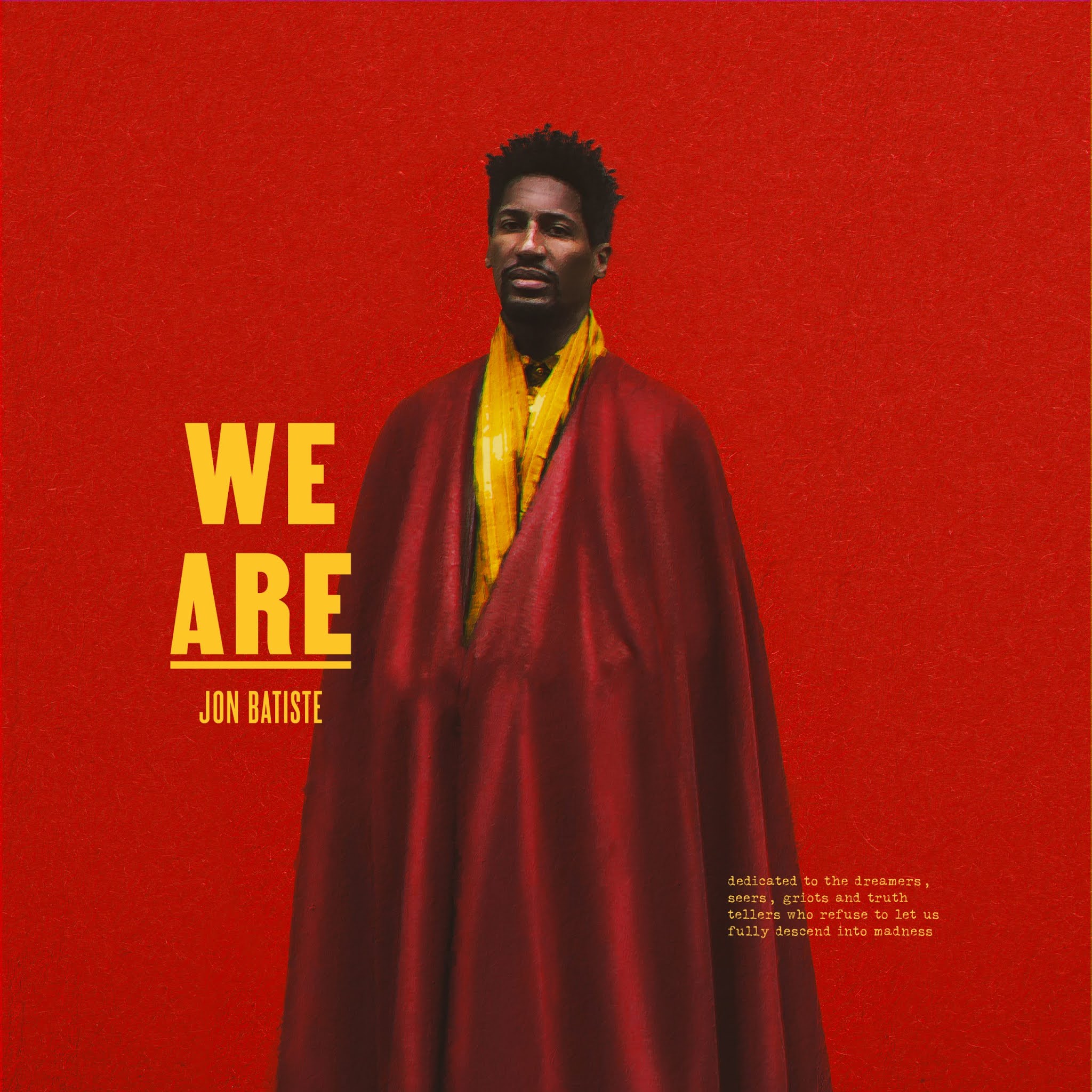
My kids and I recently have found a new love in the music of Jon Batiste, jazz musician who wrote the score for Disney's Soul and the band leader for The Late Show with Stephen Colbert. On his latest album, We Are, Batiste has a song, “Freedom,” appropriate for today's text and the recent national holidays of Juneteenth and July 4th :
When I move my body just like this
I don't know why but I feel like freedom (freedom)
I hear a song that takes me back
And I let go with so much freedom (freedom)
Free to live (how I wanna live)
I'm gon' get (what I'm gonna get)
'Cause it's my freedom (freedom)
The reason we get down, is to get back up
If someone's around, go on let them look
You can't stand still
This ain't no drill
More than cheap thrills
Faithful friends, we have endured much as a people these last 18 months. We have also had our eyes and ears opened to so many cries for justice and deliverance from generations of anti-welcome. May we hear Jesus' call to shake off this dust as an invitation to reach back to that ancient song of freedom God's people have been singing throughout the ages and in empires past and present- including this one. This song invites all people to move their bodies, imaginations, and faith communities in such a way that lets go of shackling systems, stories, and old patterns of existence. No, we cannot stand still. This ain't no drill. We cannot stay the same. Discipleship demands we embrace redemptive change and move towards welcome and mutual care. So what needs to be shaken off in your life and in the church for this to happen? What is weighing you down from hearing of your belovedness or leaning into proclaiming and extending it to others? Let go and dance ‘cause it’s not only your liberation, but also that of your community and the world God so very much loves.
A Benediction in Poetry
shake it off
we tell young ones
send away the pain
subtly
dust yourself off
wipe away the tears
and press on
as an image of strength
as though unharmed
unfazed
by injury or trauma
but what if it hurts
what if the wound cannot be shaken
what if you are not ready to get up
to move on
maybe shaking it off is not resilience
maybe it is damaging denial
suppressing reality
burying emotions
neglecting what makes each of us
human
what if
yes, what if we do not have to shake off
the pain
but what caused it
to reject anti-welcome
to send away not-love
and linger longer in dreams
for something better
and move towards
in time
our time
a new reality altogether
May we do so in the name of the Creator, Savior, and Sustainer. Amen.